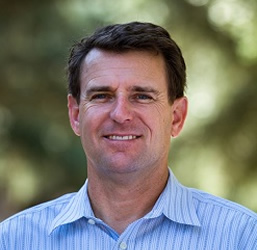
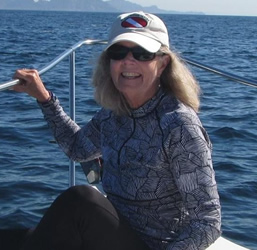
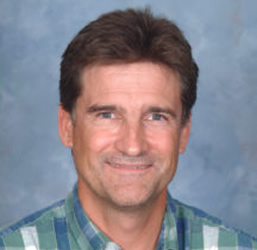
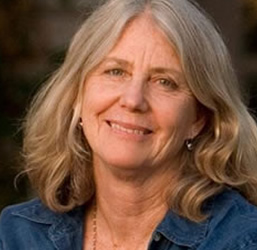
In 1977 Carl Hodges, Director of the Environmental Research Laboratory at the University of Arizona, established the Desert Development Foundation. His dream was to create a cooperative Mexican-American research and educational center in the northern Gulf of California to support the needs of scientists and students studying the area. Support for this facility would come from applied science and commercial projects in shrimp mariculture and halophyte agriculture, pioneered at Puerto Peñasco, Sonora in partnership with the University of Sonora. It would also build on the basic marine science field initiatives of Dr. Don Thomson and Dr. John Hendrickson in the Zoology Department at the University of Arizona.
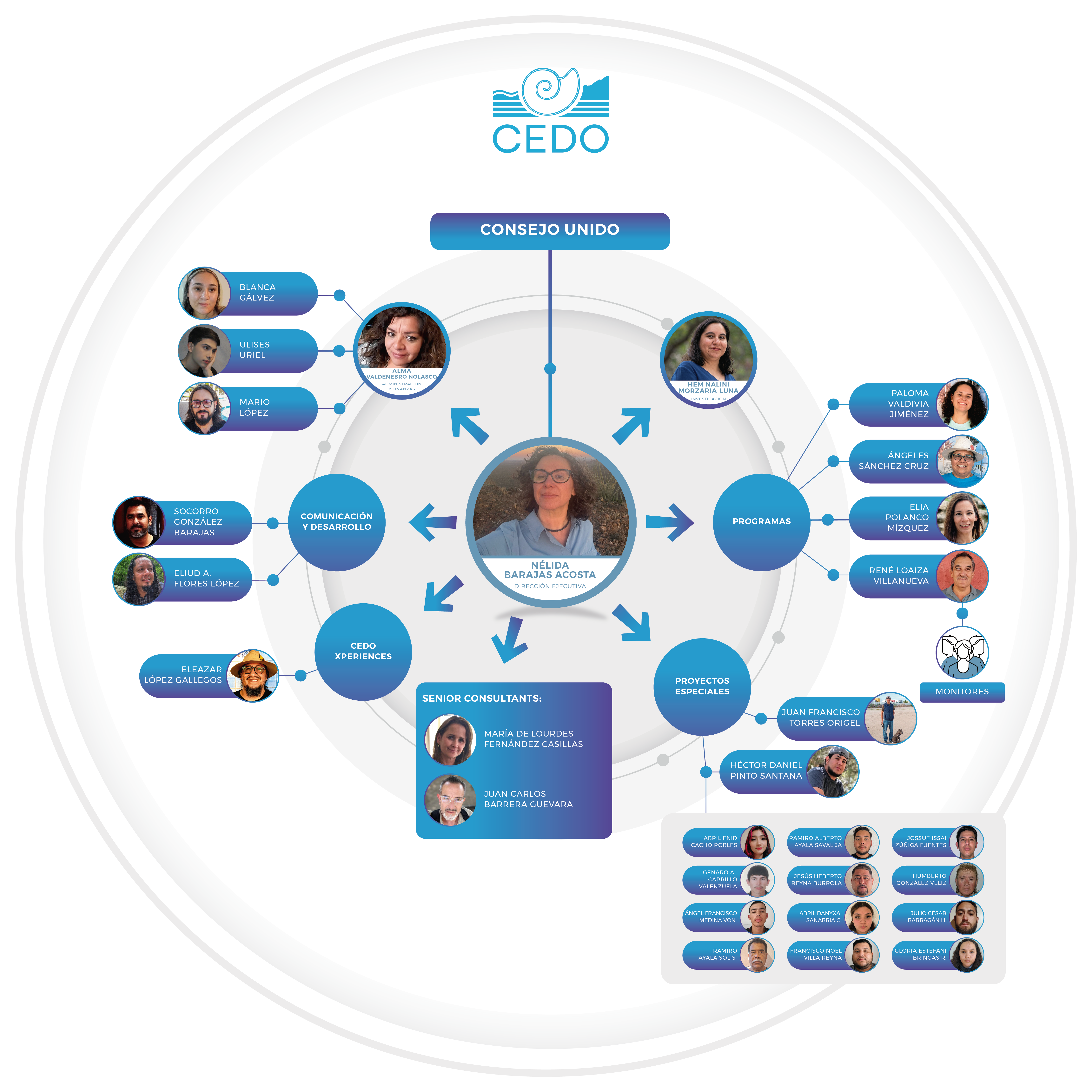
In 1979 Dr. Nicholas Patrick Yensen, a student of Don Thomson, was hired to strengthen this partnership and develop a new field station facility, while he also conducted research on the potential of salt tolerant halophytes as food crops for desert coasts around the world. In January 1980 Peggy Turk Boyer, a young marine biologist and master’s student at the UA, was hired as resident director of this new field station. Shortly after she arrived in June of that year, the proposed business model for commercializing shrimp mariculture and supporting the field station became legally unattainable and the project sponsors responded by withdrawing the project from Mexico. This created tensions among the partners and the US-Mexican partnership dissolved. As witness to the collapse of this vision, Peggy picked up the pieces to repair and develop new relations with the Puerto Penasco community with a focus on understanding the marine environment and developed alternative funding strategies. Through her leadership, intercultural skills, persistence and cooperative spirit a new vision for a binational institution emerged and in 1986/87 this initiative was formally incorporated as not for profit organizations known as CEDO Intercultural. Peggy Turk Boyer, Richard E. Boyer and Nicholas P. Yensen were founding members of this new organization along with other key partners in Mexico and the US. As the first Executive Director, Peggy led the development of the vision, operations and funding for these internationally recognized organizations over the next 40 years, with Richard E. Boyer serving as Co-Director. CEDO Intercultural is now led by Nélida Barajas Acosta who became Executive Director in July 2019.
For over 40 years CEDO has tested and developed six essential building blocks focused on strengthening communities to participate in the design and realization of sustainable livelihoods to ensure their future and the health of the ecosystems on which they depend. The blocks are integrated to achieve ecosystem conservation and fisheries co-management in two eco-regions of the Northern Gulf of California: The Upper Gulf of California/Colorado River Delta Biosphere Reserve and the Puerto Peñasco- Puerto Lobos Biological Corridor.
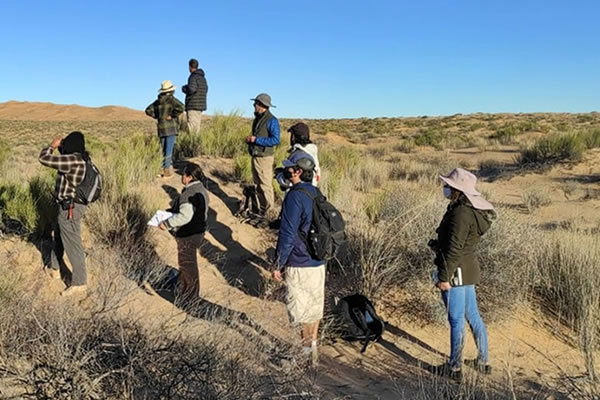
Field research was among the first activities of our young institution, and through partnerships with visiting researchers from across the U.S. and Mexico, in addition to community-based monitoring projects, and our own studies, CEDO built an integrated research program from the ground-up. This collaboration quickly advanced our understanding of the northern Gulf of California and its biophysical, ecological and socioeconomic features, such that it is now one of the most thoroughly researched habitats in the Gulf.
But with population growth, the influx of tourism, and increasing pressure on marine and coastal resources, the research showed a disturbing trend; impacts to species, habitats, and ecological processes were growing and getting less sustainable. With this in-depth knowledge, a unique vision emerged: a future where vibrant coastal communities would actively participate in managing their livelihoods in balance with healthy and resilient ecosystems. It became our urgent mission to bring local people together with knowledge and solutions, and to work together for a more sustainable future in a way that prioritized traditional livelihoods and economic needs.
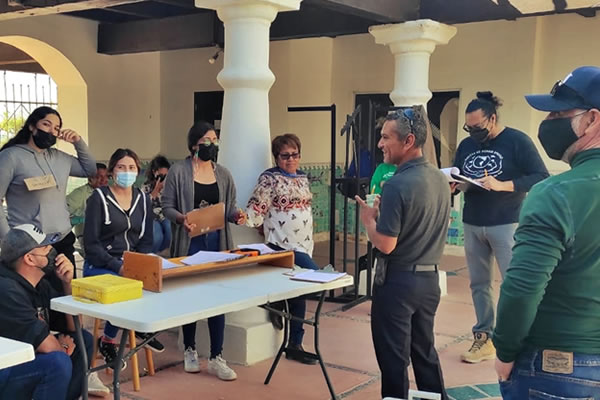
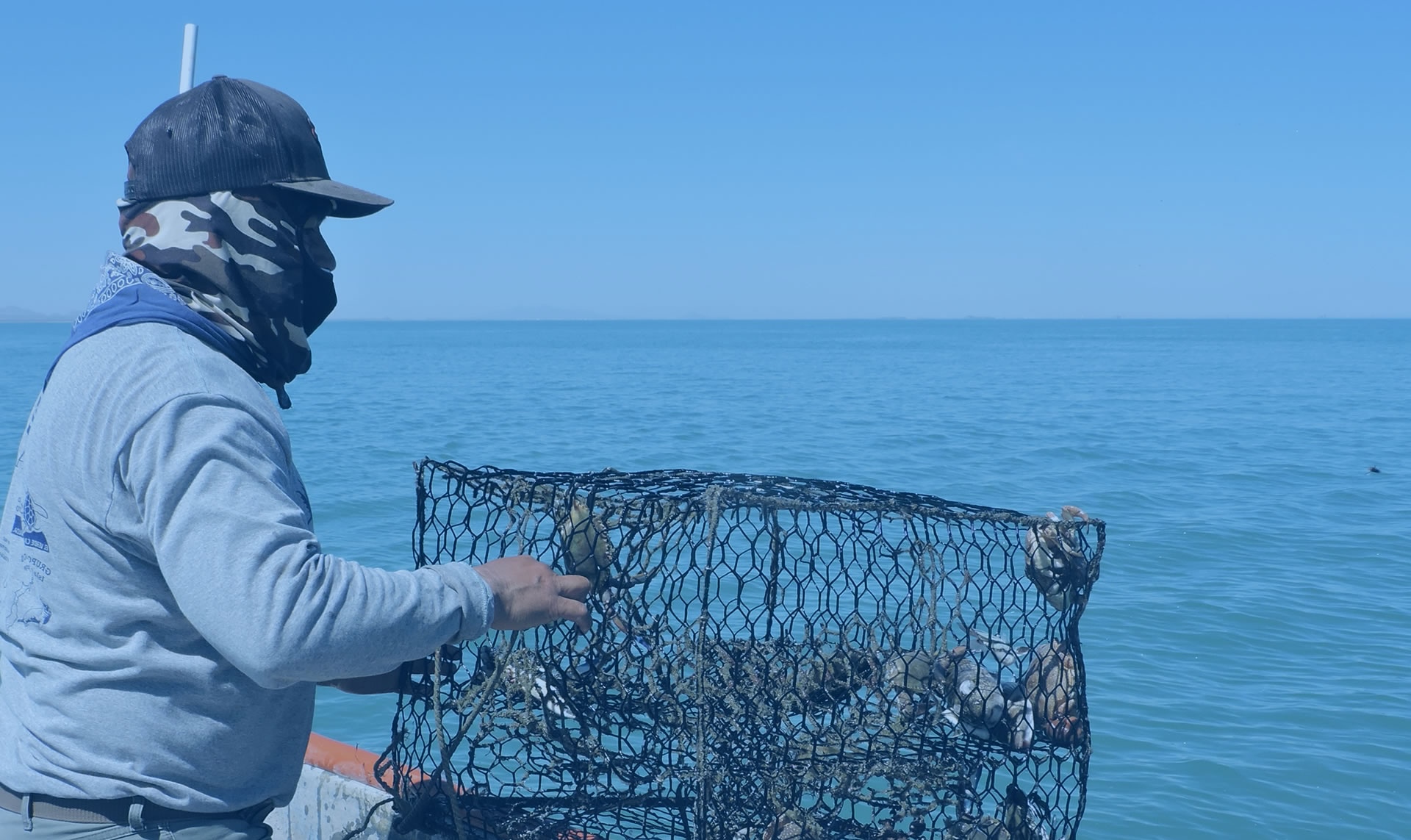
More than 40 years later, CEDO’s roots have grown deeper and stronger than ever, with community-led efforts for conservation, sustainable development, and environmental education that have gained the attention and support of decision makers and natural resource managers at the highest levels of government. CEDO’s integrated approach combines a wide array of disciplines (education, capacity building, research and monitoring, climate-change assessment and adaptation, and economic initiatives), and is being scaled to address the needs of more than nine coastal communities where thousands of people make their living from small-scale fisheries, tourism and associated economies.